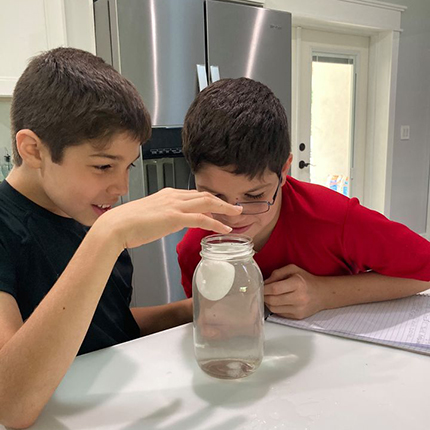
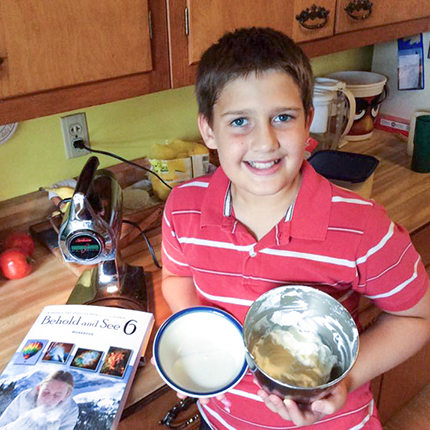
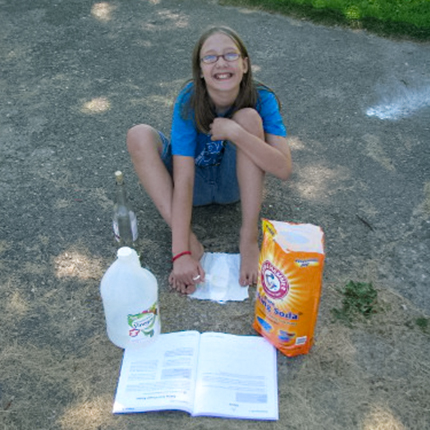
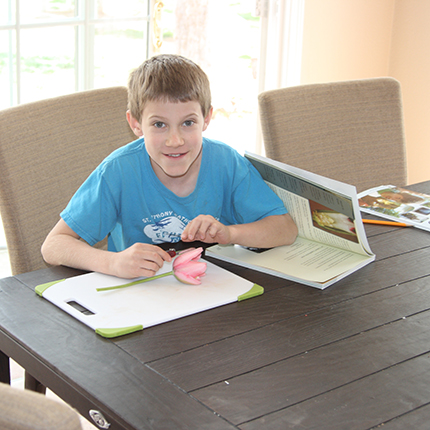
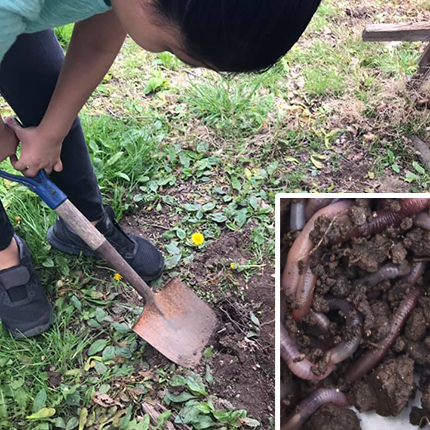
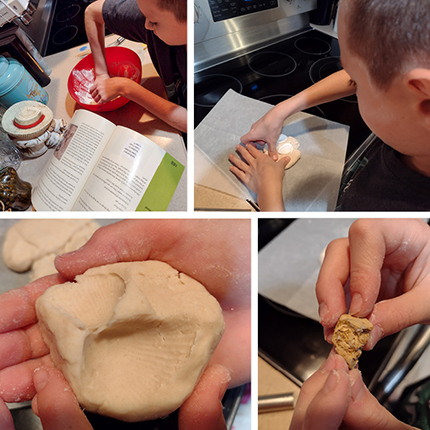
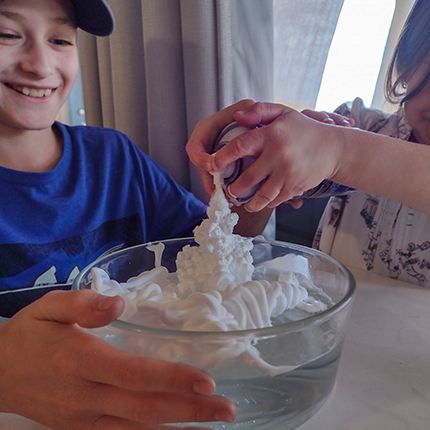
Introduction: Life functions, scientific method, controlled experiments
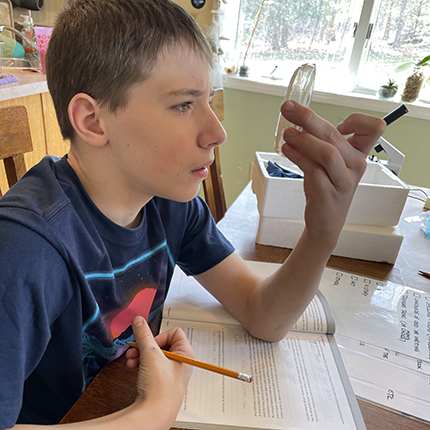
Measurement: Metric system, mass, area, liquid volume, temperature, heat
Collections: Leaf or insect collection
Basic Chemistry: Atoms, molecules, Periodic Table of the Elements
Cells: Parts of plant and animal cells, osmosis
Simplest Cells: Viruses, archaeans, bacteria, Louis Pasteur
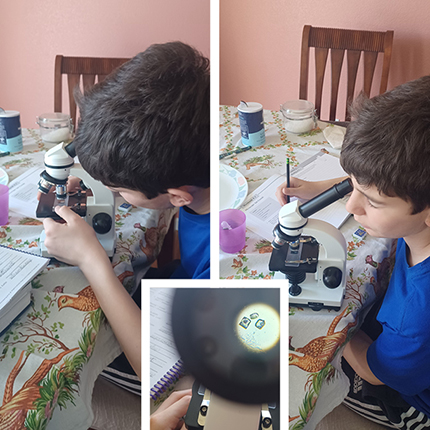
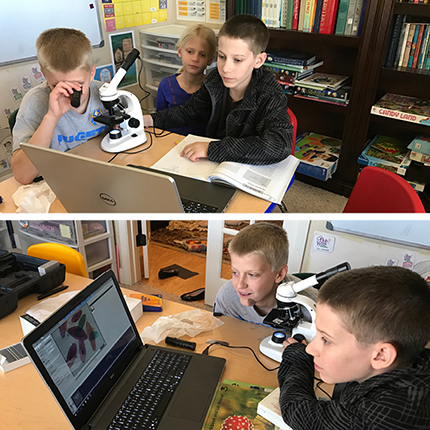
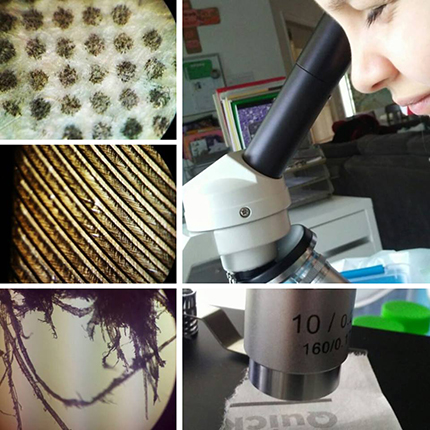
Protists: A Microscopic Menagerie: Taxonomy, amoeba, paramecium, euglena
The Fungi: Types, classification, and parts of fungi
Plant Classification: Algae, lichens, mosses, ferns, conifers, flowering plants, monocots, dicots
Plant Structure and Response: Root systems, stems, leaves, tropisms
Plant Growth and Reproduction: Binary fission, budding, sporulation, pollination, fertilization, germination, mitosis
Animals: Sponges, jellyfish, worms, mollusks, arthropods, starfish
Chordates: Chordates: lampreys, sharks, bony fish, amphibians, reptiles, birds, mammals
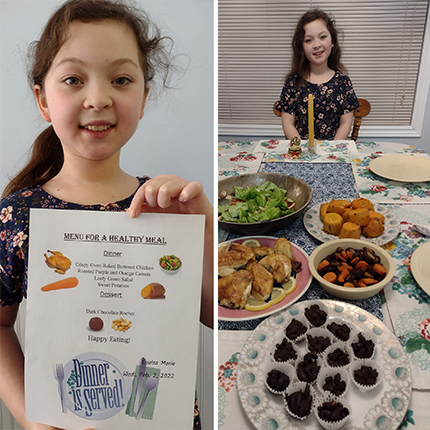
Nutrition: Nutrient groups, cellular respiration, photosynthesis, chemosynthesis
Testing for Nutrients: Chemical tests for energy and nutrients, filtering
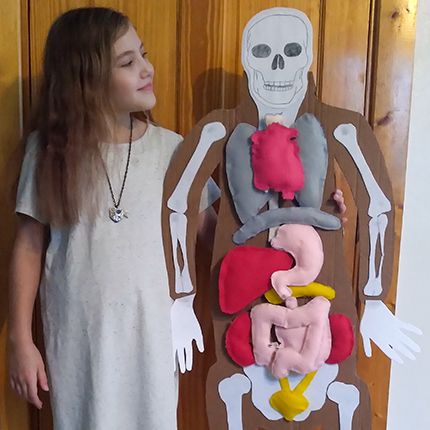
Introduction to Systems: Systems and life functions, human life stages
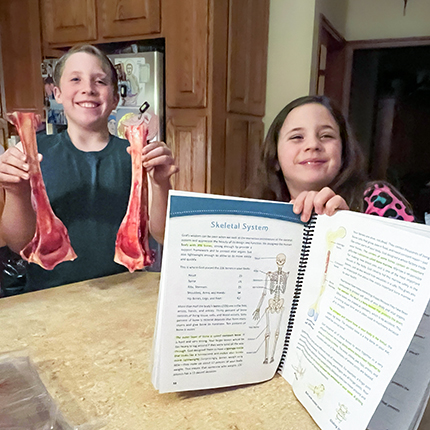
Skeletal and Muscular Systems: Bones, joints, muscles
Digestive System: Mechanical and chemical digestion, enzymes, absorption
Circulatory System: Systemic and pulmonary circulation, blood types
Respiratory System: External respiration, cellular respiration
Excretory System: Lungs, large intestine, liver, kidneys, skin
Endocrine System: Hormones, endocrine glands, metabolism
Nervous System: Neurons, brain, spinal cord, senses
Disease: The Fight for Life Noninfectious and infectious diseases, disease defenses, medical breakthroughs
Animal Behavior & Reproduction: Reflexes, instincts, sexual reproduction, meiosis, genetics
Ecology: Oxygen, carbon, and nitrogen cycles; energy and food chains
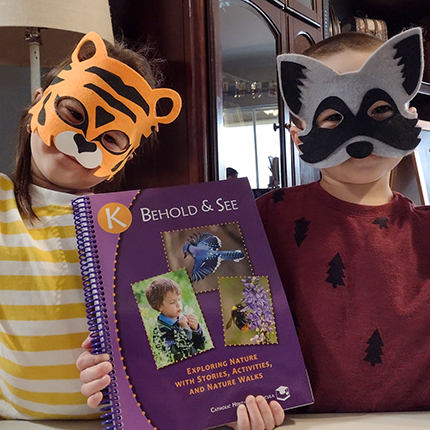

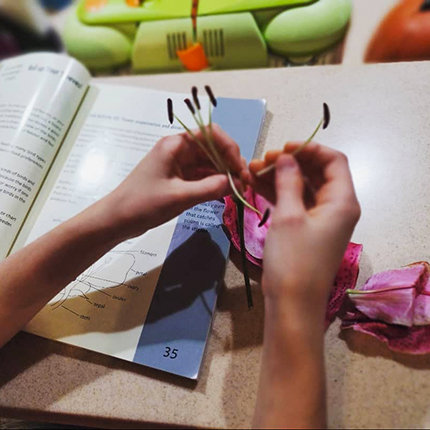
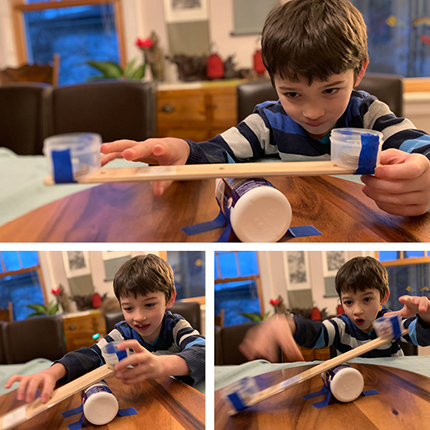
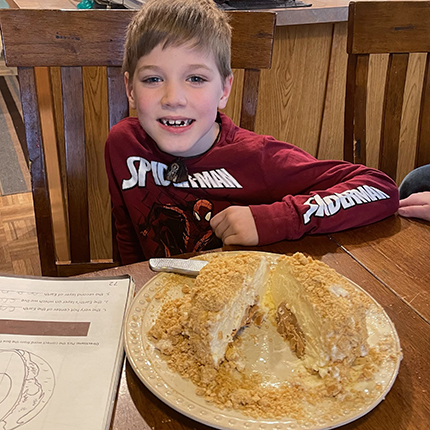
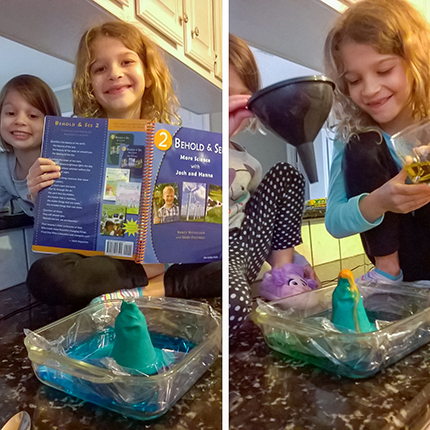
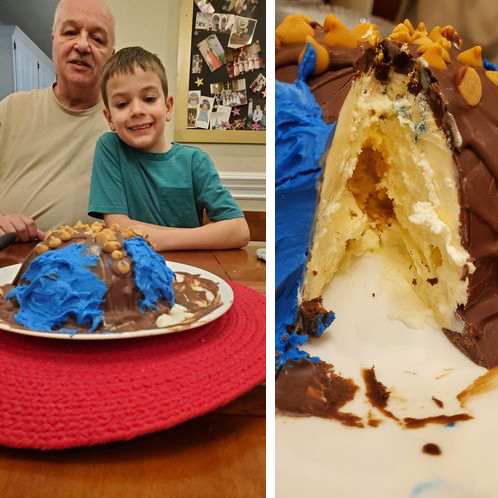
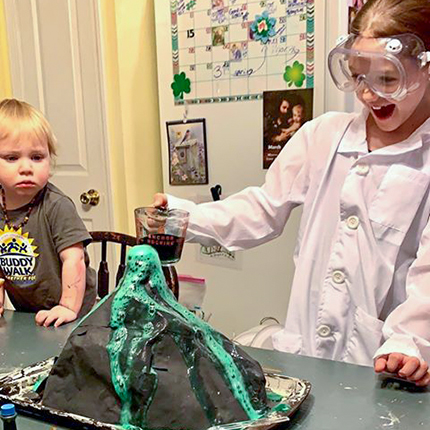
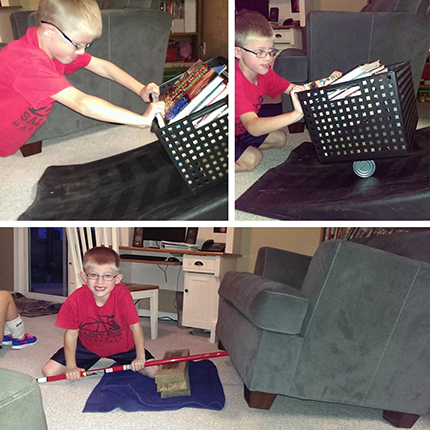
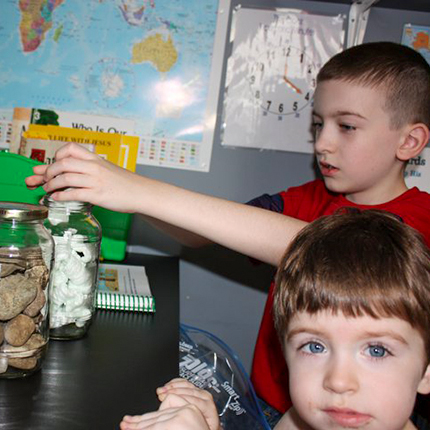
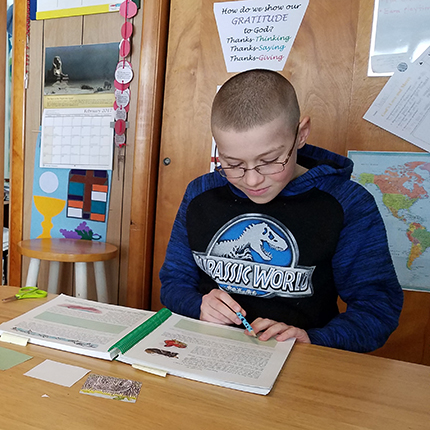
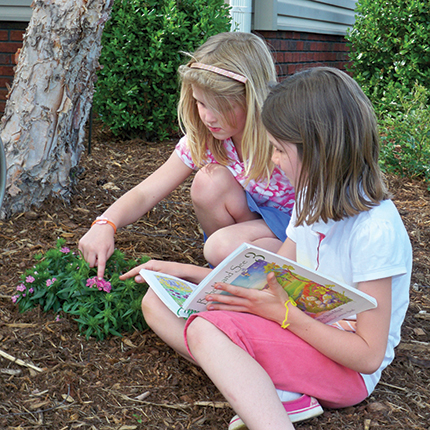
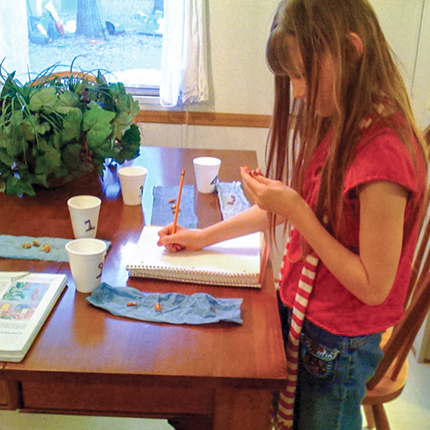
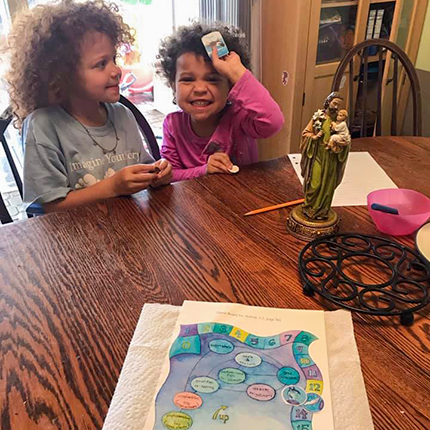
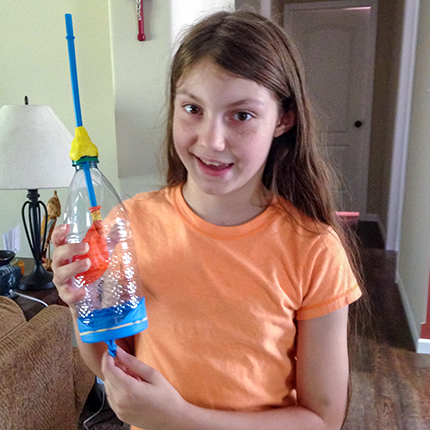
 First grade science here we go...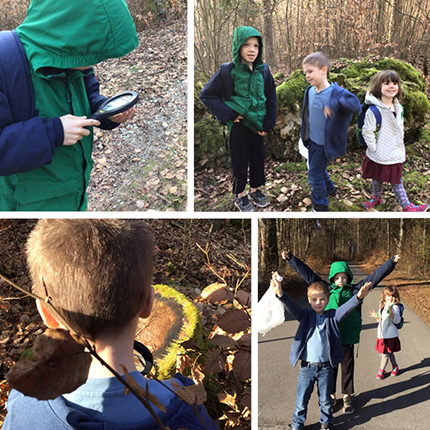
 )
)